


The Lie You Have Been Told
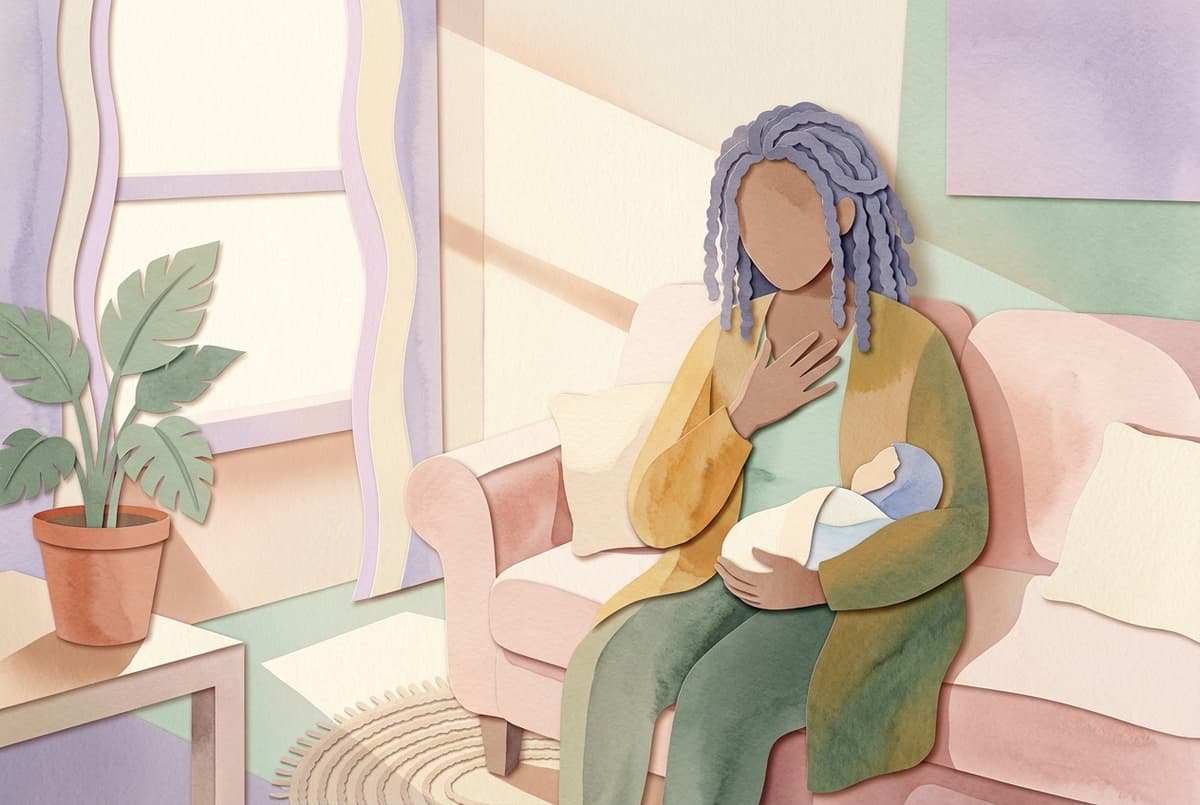
You are supposed to be glowing. You are supposed to be overflowing with joy because you have a beautiful, healthy baby and everyone keeps telling you how blessed you are. So why do you feel empty? Why do you cry for no reason? Why does the sound of your baby crying fill you with dread instead of the instinctive rush of maternal warmth you were promised?
This is not your fault. This is not a moral failure. This is postpartum depression, and it is a medical condition with a biological basis, effective treatments, and a high rate of recovery.
Approximately 1 in 7 new mothers experiences postpartum depression [1]. The actual number is likely higher, because shame and stigma prevent countless women from reporting their symptoms.
What Postpartum Depression Actually Looks Like
Postpartum depression (PPD) is more than "feeling sad after having a baby." It is a persistent, often debilitating mood disorder that can emerge anytime within the first year after delivery.
The symptoms that rarely make it into the brochures:
- Emotional numbness: Feeling nothing toward your baby, not even the sadness you expect. An unsettling flatness where love should be.
- Rage: Explosive, disproportionate anger that terrifies you because it is so unlike your usual personality.
- Intrusive thoughts: Unwanted, disturbing mental images of harm coming to your baby. These are a hallmark of postpartum anxiety/OCD and are profoundly distressing precisely because you would never act on them.
- Physical symptoms: Insomnia (even when the baby is sleeping), loss of appetite, chronic headaches, and chest tightness that mimics a panic attack.
- Withdrawal: Pulling away from your partner, family, and friends. Cancelling visits. Pretending everything is fine over text.
- Loss of identity: Feeling like you have disappeared entirely into "Mom" and the person you used to be no longer exists.
The critical distinction between "baby blues" and PPD: baby blues peak around day 5 and resolve within 2 weeks. PPD persists, intensifies, and progressively impairs your functioning.
Why This Happens (The Biology)
PPD is driven by a convergence of biological, psychological, and social factors:
- Hormonal crash: After delivery, estrogen and progesterone levels plummet by 100-fold within 48 hours. For some women, this rapid hormonal withdrawal triggers depressive neurotransmitter changes.
- Sleep deprivation: Sustained sleep loss fundamentally impairs serotonin regulation and emotional processing.
- Thyroid dysfunction: Postpartum thyroiditis occurs in 5% to 10% of women and can mimic or worsen depression.
- History of depression or anxiety: The single strongest risk factor for PPD.
- Birth trauma: A difficult delivery, NICU stay, or emergency C-section can trigger post-traumatic stress.
- Social isolation: Lack of partner support, financial stress, and the cultural pressure to perform effortless motherhood.
How MomDoc Screens and Responds
ACOG now requires screening at multiple touchpoints [1]:
- During pregnancy: At the initial prenatal visit and at least once later in pregnancy using the Edinburgh Postnatal Depression Scale (EPDS) or PHQ-9.
- At postpartum visits: At your 6-week visit and at the comprehensive postpartum appointment.
- At well-woman visits: Depression screening continues as part of your annual care.
When a screen indicates concern, we do not hand you a pamphlet and send you home. We act:
- Same-day clinical conversation with your provider about symptoms, severity, and safety
- Safety assessment including questions about self-harm and harm to others (asked compassionately, not interrogatively)
- Therapy referral to licensed perinatal mental health specialists who understand the specific dynamics of postpartum mood disorders
- Medication initiation when clinically indicated, with detailed counseling on breastfeeding compatibility
Treatment: You Do Not Have to White-Knuckle This
Psychotherapy (Talk Therapy)
Cognitive Behavioral Therapy (CBT) and Interpersonal Therapy (IPT) are both evidence-based first-line treatments for mild to moderate PPD. We maintain a referral network of therapists who specialize in perinatal mental health.
Medication
For moderate to severe PPD, ACOG supports initiating pharmacotherapy [2]:
- SSRIs (sertraline, paroxetine): First-line. Extensively studied in breastfeeding populations with minimal infant exposure.
- SNRIs (venlafaxine): Alternative for patients who do not respond to SSRIs.
- Brexanolone (Zulresso): An IV infusion specifically FDA-approved for PPD, available through specialized treatment centers for severe cases.
Support and Lifestyle
- Prioritized sleep strategies (even delegating one full night feed to a partner or support person can have measurable impact)
- Structured physical activity (walking, even 20 minutes daily, has demonstrated efficacy comparable to low-dose SSRIs in mild depression)
- Peer support groups (connecting with other mothers who understand)
Being a Good Mother Does Not Protect You From Depression
This is the single most damaging myth in maternal health. PPD is a neurobiological condition driven by hormonal changes, genetic vulnerability, and physiological stress. It has nothing to do with how much you love your baby or how capable you are as a mother.
Some of the most devoted, high-functioning, deeply loving mothers develop severe PPD. Silence and shame kill. Treatment saves lives.
Emergency Resources
If you or someone you know is in crisis:
- MomDoc Triage: 480-821-3601
- Postpartum Support International Helpline: 1-800-944-4773 (text or call)
- Maternal Mental Health Hotline: 1-833-943-5746 (24/7, free, confidential)
- 988 Suicide & Crisis Lifeline: Call or text 988
You Deserve Help
If you are reading this and recognizing yourself in these words, please call us. Call MomDoc at 480-821-3601 or book a virtual visit. You can have this conversation from your couch while the baby sleeps. You do not need to wait until your next scheduled appointment.
This content is for informational purposes only and does not replace professional medical advice. Always consult your MomDoc provider regarding your specific mental health needs.