


You Are Not Fragile
There is a long-standing cultural myth that pregnant women should treat their bodies like delicate glass, restricting all physical exertion to protect the baby.
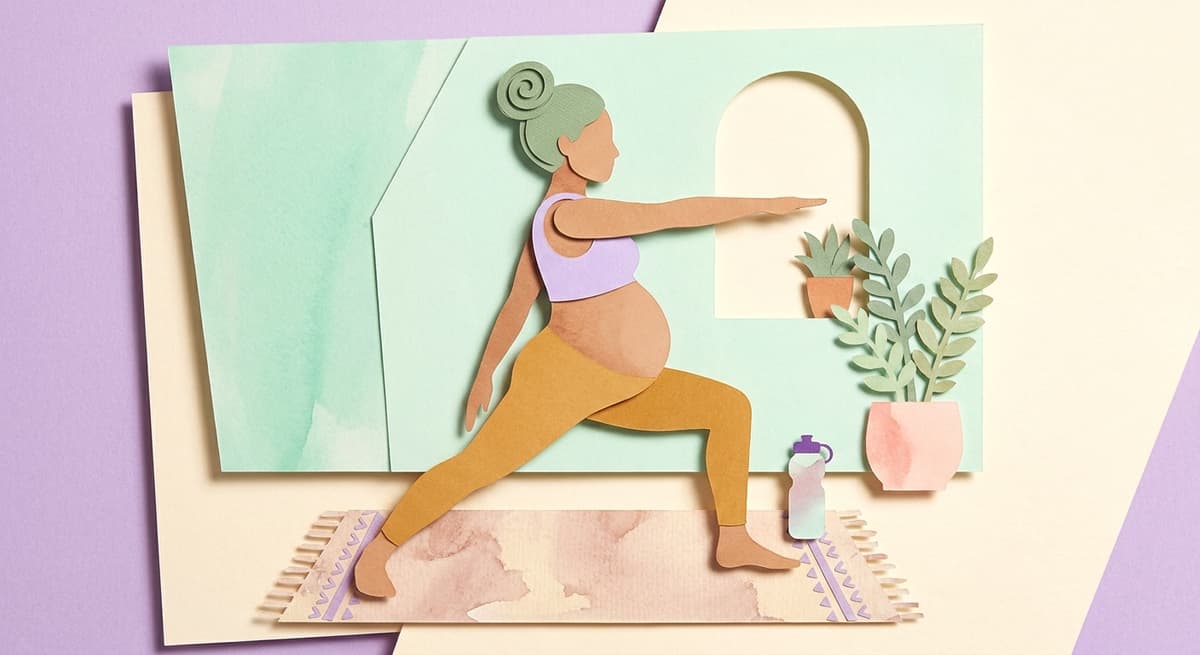
Modern obstetrics tells a very different story. Unless your MomDoc provider has diagnosed you with a specific, high-risk complication (like placenta previa or severe anemia), pregnancy is absolutely not a reason to stop moving. In fact, the American College of Obstetricians and Gynecologists (ACOG) aggressively advocates for regular exercise during pregnancy.
Your body is undertaking an extraordinary endurance event. Maintaining your muscular strength and cardiovascular health isn't just safe and it is one of the most effective ways to prepare for the physical demands of labor and motherhood.
The Tangible Benefits of Prenatal Exercise
Why put in the effort when you are already exhausted? Because strategic, moderate exercise consistently provides profound relief from the worst parts of pregnancy.
Regular prenatal exercise has been clinically proven to:
- Radically reduce back pain, constipation, and debilitating swelling.
- Help prevent or actively manage gestational diabetes.
- Increase your daily energy levels and significantly improve mood.
- Promote the muscle tone and endurance you will desperately need in the delivery room.
- Improve sleep quality, which often suffers in the third trimester.
The Goal: 150 Minutes a Week
ACOG recommends 150 minutes of moderate-intensity aerobic activity every week. That breaks down beautifully to 30 minutes a day, five days a week.
"Moderate intensity" means you are moving fast enough to raise your heart rate and start sweating, but you are not completely breathless.
Safe Cardiovascular Activities
If you were highly active before pregnancy, you can typically continue your routine with modifications. If you are starting fresh, begin slowly.
- Walking: The ultimate prenatal exercise. It provides a cardiovascular workout without placing extreme stress on your joints.
- Swimming and Water Workouts: Often the favorite exercise of the third trimester. The water supports your weight, instantly relieving joint pain and back strain, while providing excellent resistance.
- Stationary Cycling: Unlike riding a standard bicycle, a stationary bike carries zero risk of falling, making it safe even as your center of gravity shifts.
Core and Strength Modifications
Maintaining your core and pelvic floor strength is vital, but the geometry of your body is changing rapidly.
- Yoga and Pilates: Both are phenomenal for flexibility and breathing, but you must avoid "hot yoga" (Bikram) entirely, as extreme heat is dangerous for your baby.
- The "No Flat Back" Rule: After your 20th week of pregnancy, the weight of your growing uterus can compress the major blood vessel (the vena cava) that returns blood to your heart. You must stop doing any exercises that require you to lie flat on your back. Modify exercises by using an incline bench or lying on your side.
The Hard Limits: What to Avoid Completely
While most movements are safe, certain environments and activities pose unacceptable risks of trauma or dangerous temperature shifts.
You must entirely avoid:
- Contact sports (ice hockey, boxing, soccer, basketball).
- Activities with a high risk of falling (downhill skiing, water skiing, surfing, off-road cycling, gymnastics, horseback riding).
- Scuba diving, as it puts your baby at risk for decompression sickness.
- Skydiving.
- Hot tubs, saunas, and exercising in extreme heat.
Warning Signs: When to Stop Immediately
Listen to your body. Do not try to "push through" pain or warning signs. Stop exercising immediately and call MomDoc Triage at 480-821-3601 if you experience any of the following:
- Bleeding or fluid leaking from your vagina.
- Feeling dizzy, faint, or profoundly short of breath before you even start exercising.
- Chest pain or a rapid, irregular heartbeat.
- Muscle weakness that affects your balance.
- Calf pain or swelling (a potential sign of a blood clot).
- Regular, painful uterine contractions.
Your body is already doing the hardest workout of its life by building a human being. The goal of prenatal exercise is to support that process, not exhaust it.